
“When Humans Leave”: 20 Abandoned Places Reclaimed By Nature
There was a sinkhole discovered in China in 1994 called ‘ Heavenly Pit ’ that remains untouched by humans. It’s apparently home to flora and fauna such as the ‘gingko and clouded leopard’, which were otherwise considered extinct or extremely rare.
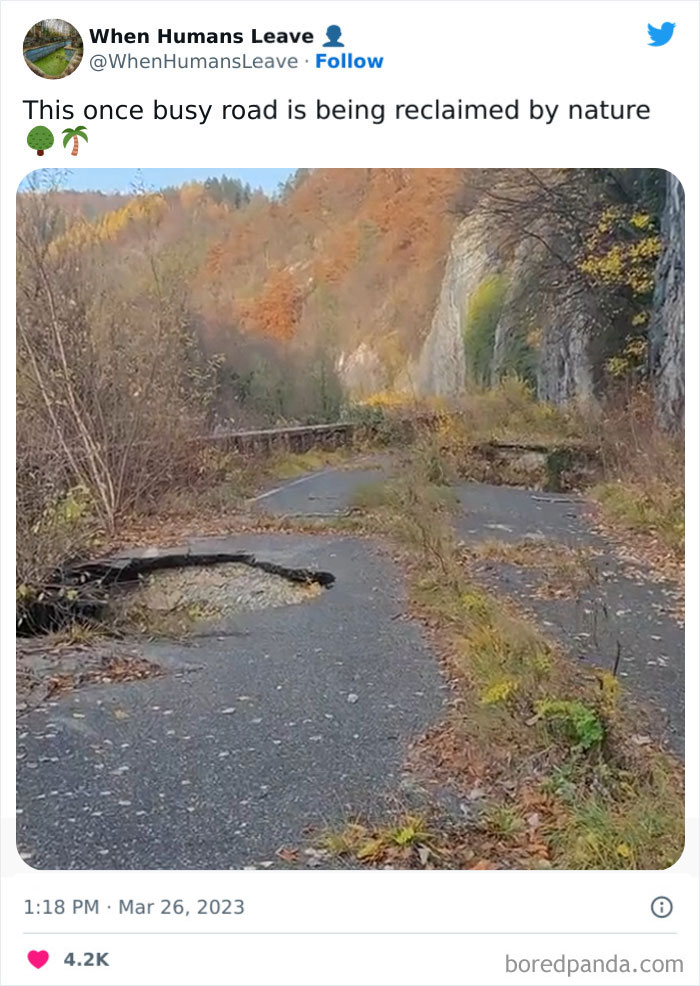
This just goes to show that when humans don’t pillage and plunder the Earth, nature recovers and comes back to claim what was hers. The Twitter account, ‘When Humans Leave’, gives us a glimpse of the profound power of Mother Earth. Sharing photos of forgotten cities and decrepit buildings taken over by lush greenery and enveloped in overflowing vines, the images live up to the bio of the account, ‘when humans leave, nature starts to take back’. Scroll below to check out some of their most amazing captures of nature’s resurgence.
More info: BBC | Twitter
#1

#2

#3

#4

#5

#6

#7

#8
#9

#10

#11

#12

#13

#14

#15

#16

#17

#18

#19

#20



Shanilou Perera
Shanilou has always loved reading and learning about the world we live in. While she enjoys fictional books and stories just as much, since childhood she was especially fascinated by encyclopaedias and strangely enough, self-help books. As a kid, she spent most of her time consuming as much knowledge as she could get her hands on and could always be found at the library. Now, she still enjoys finding out about all the amazing things that surround us in our day-to-day lives and is blessed to be able to write about them to share with the whole world as a profession.

20-Year-Old Engineer’s Idea To Make Ocean Clean Itself Will Be Launched Next Year
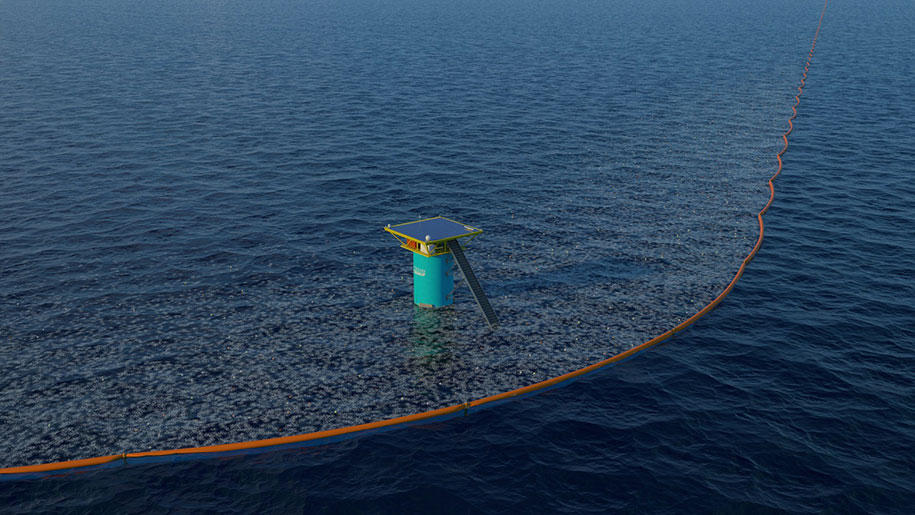
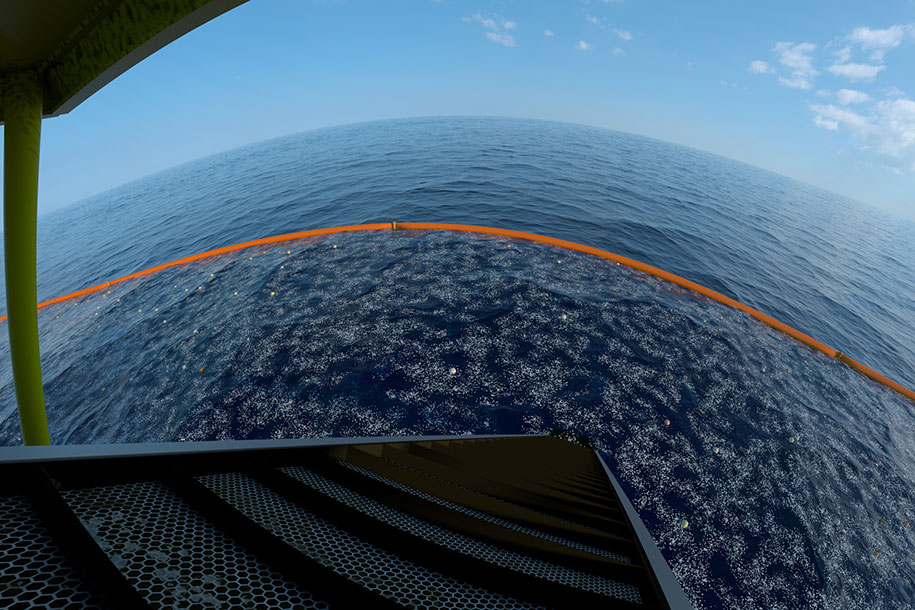
Boyan Slat is a 20 year old with an idea on how to clean plastic trash from our oceans. The Ocean Cleanup initiative wants to reduce the amount of trash in the oceans by employing floating barriers that are moored to the seabed. They would collect lighter-than-water plastic trash with the help of the ocean currents and without harming sea life.
The pilot, which will be deployed near Tsushima Island (located between Japan and Korea) in the first quarter of 2016, will test the durability and viability of the project. It will be only 2000 meters long, a far cry from the planned 100 kilometers length, but it will still be the longest floating structure on Earth.
Cleaning up plastic garbage in ocean, like the infamous Great Pacific Garbage Patch, is impractical with ships. However, the 100km stationary cleanup array could remove 42% of the Garbage Patch over 10 years, 70,320,000kg in total.
More info: theoceancleanup.com | Facebook | Twitter (h/t: boredpanda )
When it’s deployed in 2016, the 2,000m floating line will become the longest floating structure in the world.

This concept will test out 20-year-old Boyan Slat’s plan to rid the oceans of floating plastic waste.

This plan would use ocean currents to skim the plastic trash without harming the sea life.

The eventual Ocean Cleanup Array would be a 100km long and able to collect 70,320,000kg of plastic waste over 10 years

Estimated clean up cost would be roughly 4.53 euros (5.04 USD) per kilogram – 3% of the cost of other potential clean-up methods




Martynas Klimas
Writes like a mad dervish, rolls to dodge responsibility, might have bitten the Moon once.
