
Pro Chefs Reveal The Most Common Cooking Mistakes We All Make (20 Pics)
If you’ve ever found yourself struggling when cooking a more complex meal and thought “I wish I was a pro chef, everything would be so much easier”. Well, Rome wasn’t built in a day. Lucky for you, there are professionals out there who already went through the things you’re struggling with and are more than willing to share their experience.
Some time ago, Reddit user TakingItOffHereBoss asked professional chefs to share some common mistakes amateur cooks make and how to avoid them – and it’s an absolute must-read for any new chef. From sharpening your knives to refrigerating your cookie dough – check out the most common cooking mistakes shared by pros in the gallery below!
#1

The most dangerous piece of equipment in a kitchen is a dull knife.
#2

SLOW THE FK DOWN! Just because you saw Gordon Ramsay chopping st at a thousand miles a minute on a youtube video doesn’t mean that you can do that. Cut first, go slow, and speed will get there.
#3

Taste as you cook. Continually adjust seasoning (salt level) as needed. Acidity is also a very overlooked aspect of seasoning. Tons of dishes light up with a little lemon juice or vinegar.
#4

Clean as you cook. Most dishes have some downtime while cooking them, use that time to clean up the mess you made.
#5

My pro chef and former chemist friend gave me an earful for putting my tomatoes in the fridge.
He explained how the cold temp. changes the chemical composition and makes them taste s***tier.
I no longer put my tomatoes in the fridge and they are tastier.
#6
Not a professional chef, but if you’ve put enough salt in your dish and feel that putting anymore would over-season it, but you still feel it’s lacking in taste, add some sort of acid.
Lemon juice/zest, lime juice/zest, balsamic/red wine vinegar, apple cider vinegar – you’ll be surprised at how much this lifts the dish!
When I was getting interested in cooking, I would skip the acid completely because I honestly couldn’t be bothered. I would always chuckle and joke at how much lemon/lime/vinegar chefs like Gordon Ramsay and Alton Brown put in their cooking.
Then I tried it once.
Now, every dish I make has some sort of acidity in it because it’s just not the same without!
#7

Pastry cook here, on the sweet side of things, my biggest piece of advice is to follow the recipe exactly if you don’t know exactly what you’re doing. Baking is basically science and if you don’t calculate substitutions right, it’s never going to come out right. Also make sure you have good ingredients. That box of baking soda from 5 years ago is not going to work that well anymore.
#8

If the recipe says an ingredient is supposed to be room temperature, make sure it’s room temperature! Eggs are particularly important for this rule — room temperature egg yolks break more easily and incorporate better into whatever you’re mixing. And for something like cheesecake, or anything else with high fat content, cold eggs can actually harden the fat and make your mixture lumpy.
#9

You take preheating the oven as a suggestion rather than a requirement. it can really affect the texture and appearance, as well as the timings. not preheating can lead to flat/hard cookies and dense/unevenly cooked cakes, among other things.
#10

Pressing burgers to make them cook faster. Don’t you ever do that again.
Also, sharpen your knives. It makes them safer and way less frustrating to use.
Seriously though don’t you ever press that f***ing burger again you bastard.
#11

Now, this one is a weird one, but everyone is guilty of it, even some professional chefs. Stirring. Everyone has been stirring stuff wrong for generations. If you have a large pot of something like stew, soup, or sauce, you probably stir in a circular motion, usually clockwise or counter-clockwise, right? Perhaps along the edge of the pot, or in a spiral, either going inward or outward?
Well, you’re doing it wrong. When stirring, do in one of two manners: First, in small circles, working from the outside and going inward. Similar to how you might draw a cloud or petals on a flower. Or, stir in a figure-8 motion. This is especially useful if stirring in an oval or square-shaped container. Also, stir upwards. How? Angle your spoon so that basically, you’re bringing the part of the food that’s closest to the heat source, up to the surface, and vice versa. This allows for a quicker and more even heat distribution. Also helps to prevent burning.
#12

Using too much water when making top ramen
Source : Single Male
#13

One really common mistake people make is putting food on a cold pan. You should let the pan heat up a bit before you put anything on it.
#14

If you don’t have a good feel for how done meat should be, use a thermometer. Ignore any recipe that gives precise cooking times, because they’re rarely going to be correct.
#15

Don’t overcrowd the pan
#16

You throw all your ingredients together at once and mix them without thinking about their order. If you see butter (or any fat) and sugar listed first in a recipe, it’s a creaming method — which means you mix together the fat and sugar first, until it’s light and kind of airy. When you add the eggs, add them one by one to make sure they mix in well and so that your batter keeps its light texture.
#17

After you mix your cookie dough, REFRIGERATE IT so that the fat hardens and doesn’t melt like cookie brittle or brownie bark — unless you like it that way!
#18
Hello, I am the chef at a 5 diamond hotel in San Francisco. The biggest thing to learn when just starting to cook, is mise en place. “Everything in its place.” This is ultimately to get food timings correct and precise, and for safety and control reasons. The second biggest thing to learn in the kitchen is safety. I once had a cook with 25 years experience get complacent and splashed hot oil on his face. Now we call him twoface. Cooking is a creative release when done outside of a professional kitchen, so take your time and don’t hurt yourself. The third biggest thing to learn, and I tell all my cooks this everyday, is taste, season, taste. Taste your food, season it, and taste it again. Most people (whether they believe it or not) have the same taste thresholds, so what tastes good for you will taste good for someone else. Last thing I can add if you want to improve your cooking, is to cook more! Cook everyday, because practice makes perfect. Eat. Eat everywhere and anything.
#19
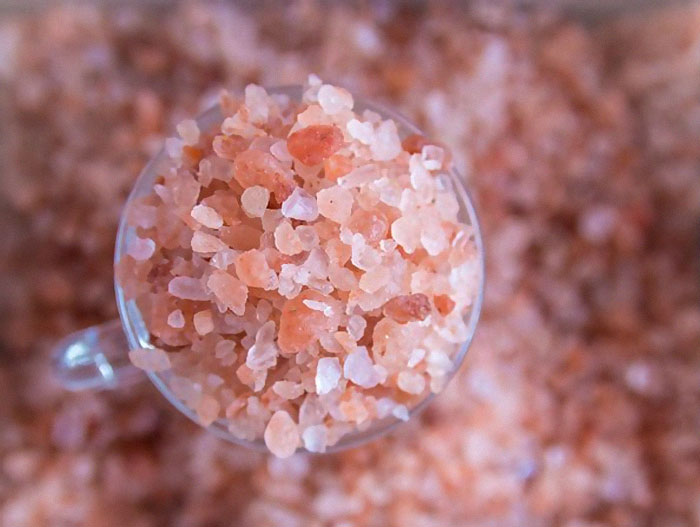
Too much or too little salt. Salt is one of the most magical ingredient known to mankind. It can make all the ingredients of the dish shine like stars. It can also f**k up all your hard work by overpowering the other ingredients. Cooking, like every other thing in the world, is about balance. It is the art of balancing flavors that compliment each other
#20

Start with salt and pepper and get those right first. Seasonings make or break your food, but if you’re just throwing s**t in because it sounds good you’re gonna have a bad time. Also, keep in mind that you can pretty much always add more later but you can almost never take it back out.


Aušrys Uptas
One day, this guy just kind of figured - “I spend most of my time on the internet anyway, why not turn it into a profession?” - and he did! Now he not only gets to browse the latest cat videos and fresh memes every day but also shares them with people all over the world, making sure they stay up to date with everything that’s trending on the web. Some things that always pique his interest are old technologies, literature and all sorts of odd vintage goodness. So if you find something that’s too bizarre not to share, make sure to hit him up!
